
Winter Tips
Spring Ahead by Planning Now

Jan
The snow may still be on the ground, but it’s never too early to start dreaming of spring blooms and bountiful harvests! Planning your garden now is the key to a successful and stress-free growing season. Don’t wait until the last minute – a little foresight goes a long way.
Here’s why planning ahead is so important, and what you should be focusing on:
1. Seed & Bulb Selection: A World of Possibilities!
This is perhaps the most exciting part of winter garden planning! Catalogs and online stores are bursting with new and heirloom varieties.

-
Research, Research, Research: Don’t just pick pretty pictures. Look into which varieties thrive in your specific climate zone (you can find this information online!). Consider disease resistance, mature size, sun requirements, and the “days to maturity” to ensure they’ll ripen in your growing season.
-
Beyond the Basics: Ever thought about trying purple carrots or striped tomatoes? Winter is the perfect time to experiment and discover unique plants you might not find at your local nursery later on.
-
Succession Planting: For vegetables, plan for multiple plantings of fast-growing crops like lettuce or radishes every few weeks to extend your harvest.
-
Bulb Beauty: If you want stunning spring color, now is also a good time to review your bulb selections. While many spring-flowering bulbs are planted in the fall, you can still plan for summer-flowering bulbs like gladiolus or dahlias that are planted in spring.
2. Garden Layout & Setup: Design Your Dream Space
Visualizing your garden layout now can save you headaches and heavy lifting later.
-
Sun Mapping: Observe your garden throughout the day to understand how the sun moves across it. This is crucial for placing plants with their specific light needs.
-
Companion Planting: Research which plants grow well together (and which don’t!). For example, basil is often said to improve tomato flavor, while some plants can deter
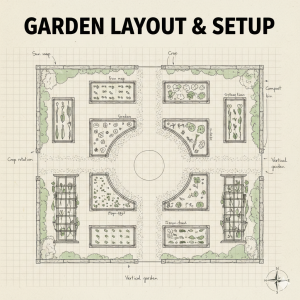 pests from others.
 -
Crop Rotation: If you’re growing vegetables, rotate your crops each year to prevent nutrient depletion and reduce pest and disease build-up in the soil.
-
Paths & Features: Think about where you want paths, raised beds, trellises, or even a small seating area. Having a clear plan can help you optimize space and workflow.
-
Consider Vertical Gardening: If space is limited, plan for vertical elements like trellises for climbing beans, cucumbers, or even small squash varieties.
3. Research Varieties: Know Before You Grow
The sheer number of plant varieties can be overwhelming. Breaking down your research will make it manageable.
-
Climate & Hardiness Zones: This is paramount. Ensure your chosen plants are suitable for your USDA Hardiness Zone.
-
Pest & Disease Resistance: Look for varieties bred to resist common local pests and diseases. This can save you a lot of trouble later!
-
Taste & Yield (for edibles): Read reviews! Some varieties are known for exceptional flavor, others for high yields. What’s most important to you?
-
Pollinator Friendly: Consider adding plants that attract bees, butterflies, and other beneficial insects to improve pollination and ecosystem health.
Don’t let the winter blues get you down. Grab a warm drink, spread out your gardening catalogs, and start mapping out your most vibrant and productive garden yet!
